Behind the Booth
Handling Custom Art Requests at an Art Show
Turn a visitor’s custom art idea into a clear commission inquiry by discussing scope, budget, timing, approval steps, and written terms after the show.
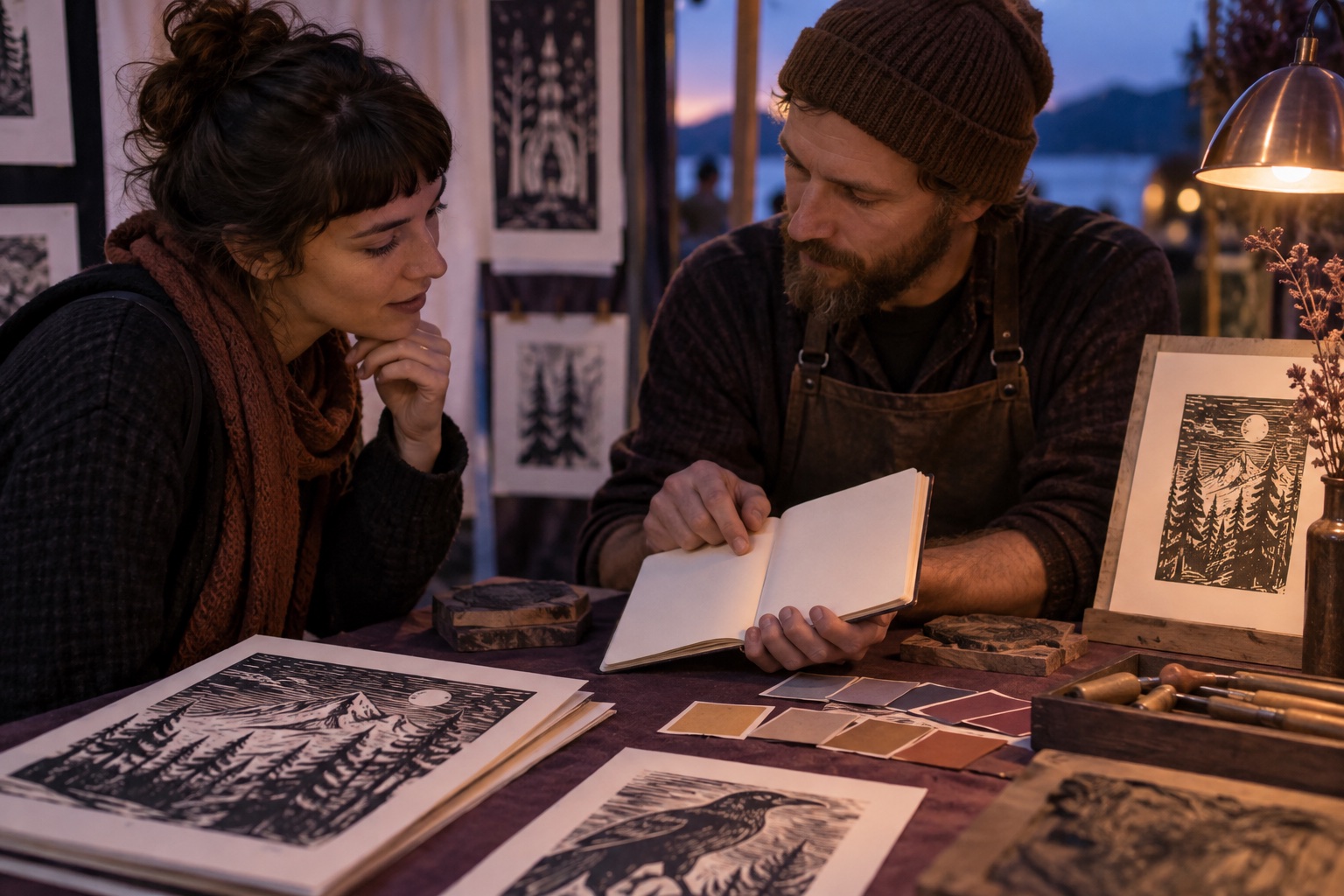
A visitor may love your work but need a different size, color, or subject. That can open a useful conversation, but a crowded booth is rarely the best place to promise a finished commission. Use the show to learn what the visitor wants and decide whether the request fits your practice.
Start with the work you already make
Ask what drew the visitor to your displayed pieces. A request that builds on your style and materials may be a good fit; one that asks you to copy another artist’s work is not. Explain what you can vary and what you prefer to keep consistent. Showing a past custom piece can help set expectations without promising an identical result.
Gather the essentials without designing on the spot
Write down the intended size, medium, subject, display location, desired date, and an approximate budget. Ask whether the work is a gift or tied to a fixed event. Take contact details only with the visitor’s permission and tell them when you will follow up. Avoid making a casual estimate that sounds like a firm quote before you know materials, labor, framing, and delivery needs.
Follow up with a written proposal
After the show, send a concise description of the project, price, payment schedule, timeline, approval points, revision limits, delivery method, and what happens if either party cancels. Confirm what reference images or rights you need. A written agreement protects the creative process and gives the buyer a clear decision to make.
Our visitor buying guide outlines questions a first-time buyer may bring. Keep your artwork inventory separate from commission inquiries so an idea under discussion is never mistaken for a completed work or a confirmed sale.
Know when to decline
A clear no can be kinder than a vague yes. If the deadline is unrealistic or the request falls outside your work, say so and, if appropriate, point to an available piece. Keep notes on recurring requests; they may reveal interest in a future series, but they do not obligate you to change your practice.
- Record the request and permission to follow up.
- Confirm size, medium, timing, and budget.
- Quote only after checking the full scope.
- Put approvals, payments, and delivery in writing.