

Inside the Jury Room
What Halifax Art Festival Looks For
Halifax Art Festival’s Theresa Lieberman explains how jurors evaluate images, booth photos, and artist statements—and what makes an application stand out.
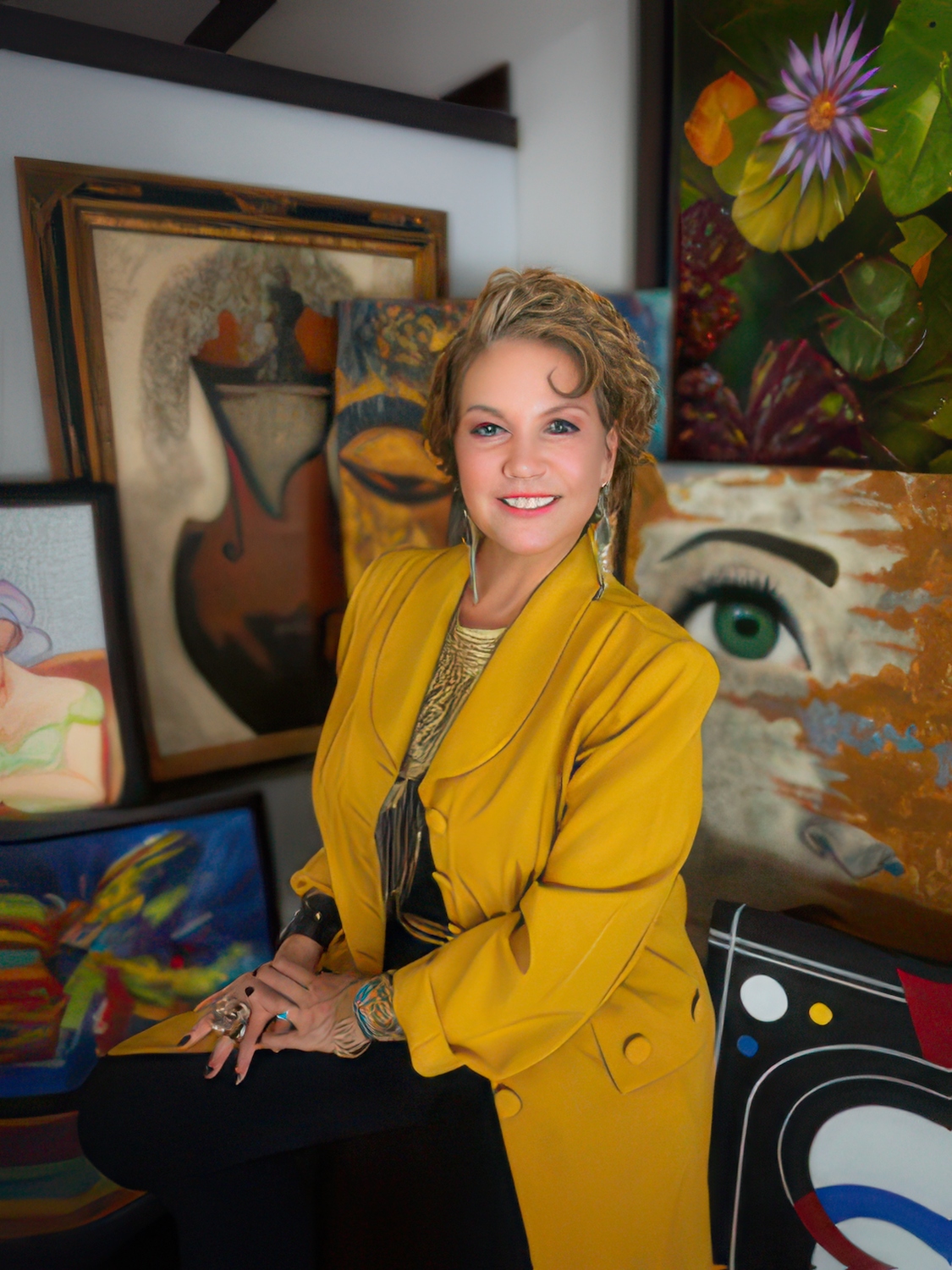
Meet the show director
Theresa Lieberman
President / Executive Director, Riverfront Arts District
Producer, Halifax Art Festival · Daytona Beach, Florida
An application reaches the jury long before an artist sets up a booth. In that first encounter, photographs and a few carefully chosen words must communicate the quality of the work, the artist’s point of view, and what visitors can expect to find at the show.
For Theresa Lieberman, President / Executive Director of Riverfront Arts District, producer of the Halifax Art Festival, the strongest submissions make those connections clear. Originality and craftsmanship matter, but so does presenting a body of work the jury can understand.
In this edition of Inside the Jury Room, Lieberman explains how Halifax reviews applications, what helps good work stand out, and how artists can make their next submission more effective.
A clear artistic voice comes first
Halifax evaluates applications and submitted images through a jury-panel scoring process. Lieberman describes separate panels for competitive and noncompetitive applications, with selection based on cumulative image scores. The panel also determines the appropriate exhibitor section. That application review is separate from the onsite judging for festival awards.
What catches a juror’s attention at the outset? “A clear artistic voice and strong execution,” she says. Photographs that let the artwork speak for itself help the panel understand the work immediately.
Originality, craftsmanship, and cohesion carry particular weight. The festival wants visitors to encounter an individual perspective backed by skill and attention to detail. A submission should make that perspective visible across the selected pieces.
“Ideally, all three tell a consistent story.”
Theresa Lieberman, on artwork images, the booth photograph, and the artist statement
Three parts of one presentation
Artwork photographs, a booth image, and an artist statement serve different purposes. The artwork images establish the quality and character of the work. The booth photograph shows how it comes together in a festival setting. The statement explains materials, techniques, and the creative process. Each should support the same artistic identity.
A cohesive image set has recognizable connections among the pieces, with enough variety to show the artist’s range. Consistent lighting, accurate color, sharp focus, and uncluttered backgrounds help the jury evaluate what is actually there. Glare, excessive editing, distracting surroundings, and awkward angles can make otherwise excellent work harder to assess.
The booth photograph needs the same care. Lieberman looks for a clear, honest view of the display and how visitors will experience it. A photograph taken too far away, a view that cuts off much of the display, or clutter that competes with the artwork can weaken that impression. So can including work that does not match the application images.
Artists should also follow the application’s instructions about identifying information in photographs.
Make the process easy to understand
The most useful artist statement answers a few direct questions: What do you make? What materials do you use? How do you create the work? If a technique or part of the process is not apparent in the photographs, explain it.
“A brief, specific explanation is more useful than broad claims about passion or a long list of accomplishments,” Lieberman says.
That same specificity should guide the entire application. Common pitfalls include incomplete information, inconsistent pieces, and images that do not represent what the artist intends to bring to the show. Experienced exhibitors can run into trouble by reusing last year’s materials without checking whether the presentation still fits their work or meets the current requirements.
Why strong work can still be declined
Available space is limited, and the applicant pool changes. A decline can reflect the strength of that pool and the overall balance of the show as well as the submission itself. Halifax’s published guidelines describe striving for balance without fixed quotas for individual media.
“Artists should be careful about treating one decision as a definitive judgment of their work,” Lieberman says.
The setting and purpose of the festival help explain the mix Halifax seeks. The event brings an established arts tradition to Downtown Daytona Beach and the Riverfront Esplanade, connecting professional artists with collectors and the broader community while also celebrating student art and arts education.
Lieberman wants an engaging range of original work that offers experienced collectors and first-time buyers opportunities to connect with artists.
Read the requirements with fresh eyes
For a first-time applicant, Lieberman’s advice begins with reading the current application carefully. Submit your strongest representative work, make your process easy to understand, and ask questions before submitting if anything is unclear.
She highlights Halifax’s original-work requirement, accepted media, and artist-presence rules. Buy/sell work is prohibited, and accepted artists may exhibit only in the category or medium for which they were selected. Approved collaborations are limited to two artists, both of whom must attend both festival days.
The image requirements call for three images representing the artist’s body of work and one booth image. Applicants should also review the current statement and fee requirements. These are show-specific rules; artists should consult the organizer’s current prospectus for the edition they plan to enter.
The artist’s takeaway
Before you hit submit
- Choose representative work. Show the quality, range, and artistic identity visitors will encounter in your booth.
- Check the whole presentation. Artwork images, booth photograph, and statement should describe the same body of work.
- Review the current rules. Revisit image, medium, attendance, statement, and fee requirements every time you apply.
Her final recommendation is to review the entire submission together. Do the images, display, and written explanation clearly belong to the same artist and the same body of work?
“A thoughtful, cohesive submission helps the jury understand your artistic identity.”
Daytona Beach, Florida
Show at a glance · 2026 edition
Halifax Art Festival
- Dates
- November 7–8, 2026
- Hours
- Saturday, 10 a.m.–5 p.m.
Sunday, 10 a.m.–4 p.m. · Eastern Time - Location
- Downtown Daytona Beach & the Riverfront Esplanade, along Beach Street between Bay Street and Orange Avenue
- What to expect
- Juried fine art, craft vendors, student art, music, and food
- Official website
- HalifaxArtFestival.com ↗
- Producer information
- RiverfrontArtsDistrict.org ↗
The 2026 application deadline has passed. Use the festival’s official website for future calls for artists, current visitor details, and updates.
Adapted from Theresa Lieberman’s written responses to Art Show Magazine. Event dates, hours, and location checked against the festival’s official website and 2026 ZAPP listing on November 2, 2026.