Behind the Booth
How to Collect Email Sign-Ups at Art Shows Respectfully
Build an art-show email list with clear permission, useful expectations and a signup process that protects visitor privacy.
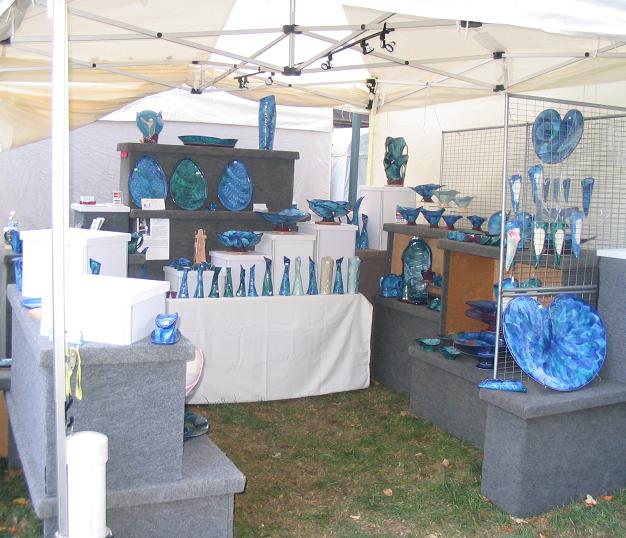
An email list can help an artist continue a relationship that began at a show, but only when the visitor understands what they are joining. A purchase, business-card exchange or long conversation is not automatic consent to ongoing marketing. A respectful signup process makes the promise visible and keeps the choice with the visitor.
Explain what the list is for
State the kind of messages you send and how often. “Occasional studio news and upcoming shows” creates a clearer expectation than “stay in touch.” If you send new-work releases, class announcements or early access, name those benefits honestly. Do not promise a schedule or discount you do not intend to maintain.
Ask for the minimum information
An email address may be enough. A first name can support a friendly greeting, but birth dates, home addresses and unrelated demographic details create privacy risk without improving the relationship. If you ask for a location to tailor show notices, explain why and make the field optional.
Design a private signup station
On paper, use a fresh sheet or a format that does not expose earlier addresses to the next visitor. On a tablet, prevent browsers from suggesting or displaying another person’s information. Keep the device charged, lock other apps and avoid leaving the list unattended.
Make the consent language readable next to the form. The visitor should not have to infer that entering an address means joining a newsletter. A confirmation email can verify the address and give the subscriber another clear choice.
Use a simple invitation, not pressure
Staff can say what the list offers and point to the signup location, then let the visitor decide. Do not tie ordinary price information, a receipt or basic care instructions to newsletter enrollment. A giveaway may increase addresses while reducing genuine interest; if you use one, state its terms and keep promotional consent clear.
Include the signup process in staff training so everyone describes it the same way. The article Staffing an Art Show Booth can help assign responsibility without interrupting sales or artist conversations.
Handle the list carefully after the show
Transfer paper signups promptly, store them securely and destroy extra copies when they are no longer needed. Use an email service that supports unsubscribe requests and required sender information. Do not share or sell the list.
Send the promised type of message rather than an immediate sequence of daily promotions. A short welcome can remind subscribers where they met you and what they will receive. If an address is unreadable or bounces, do not guess repeatedly.
Review quality, not only quantity
- Was consent language clear?
- Did visitors know the message frequency?
- Was personal information shielded from others?
- Did staff use the same explanation?
- Did the welcome message match the promise?
A smaller list of people who deliberately asked to hear from you is more useful than a large file of uncertain permission. Add signup results to the broader review described in After the Art Show.