Artist Profiles
Elliott Davis: Learning to Read the Light
Meet Elliott Davis of Davis Pro Photography, whose fine-art landscapes and seascapes reflect a lifelong pursuit of expressive light.
Artist at a glance
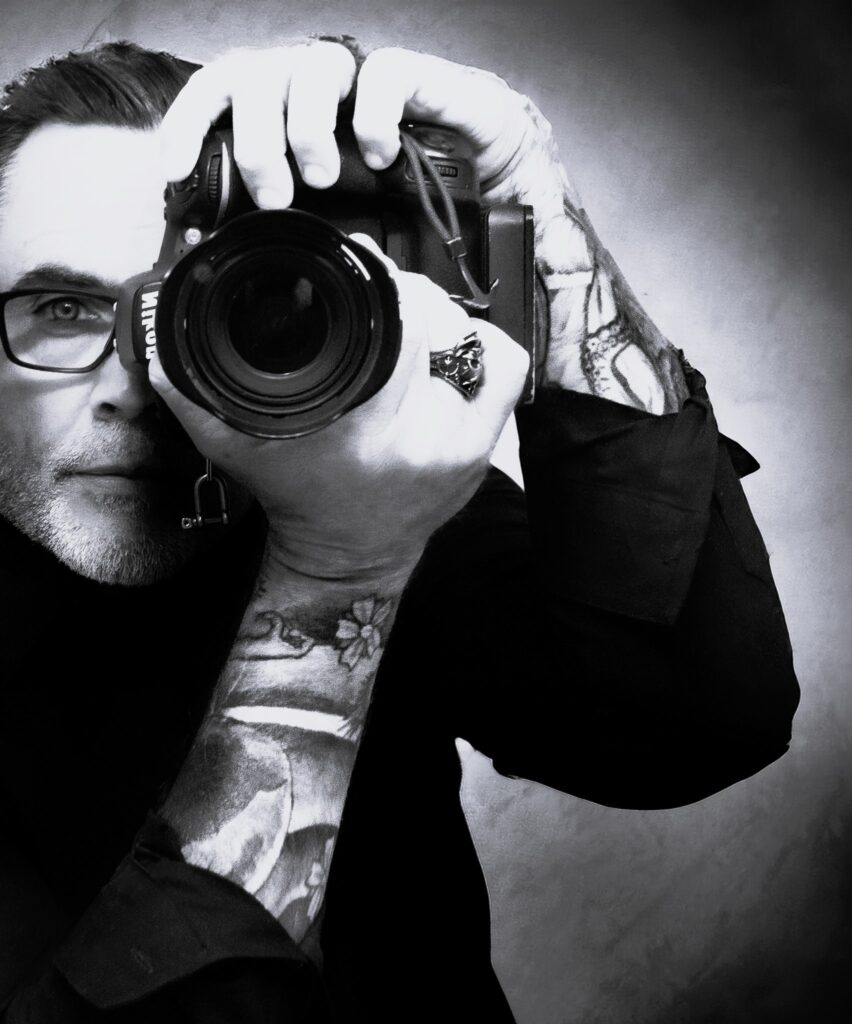
Elliott Davis
- Medium
- Fine-art landscape and seascape photography
Elliott Davis can spend years waiting for the elements of a photograph to come together. A location may hold his attention long before it offers the foreground, composition, and light he has imagined. He scouts, studies, and returns, knowing that even a familiar landscape will have changed by his next visit.
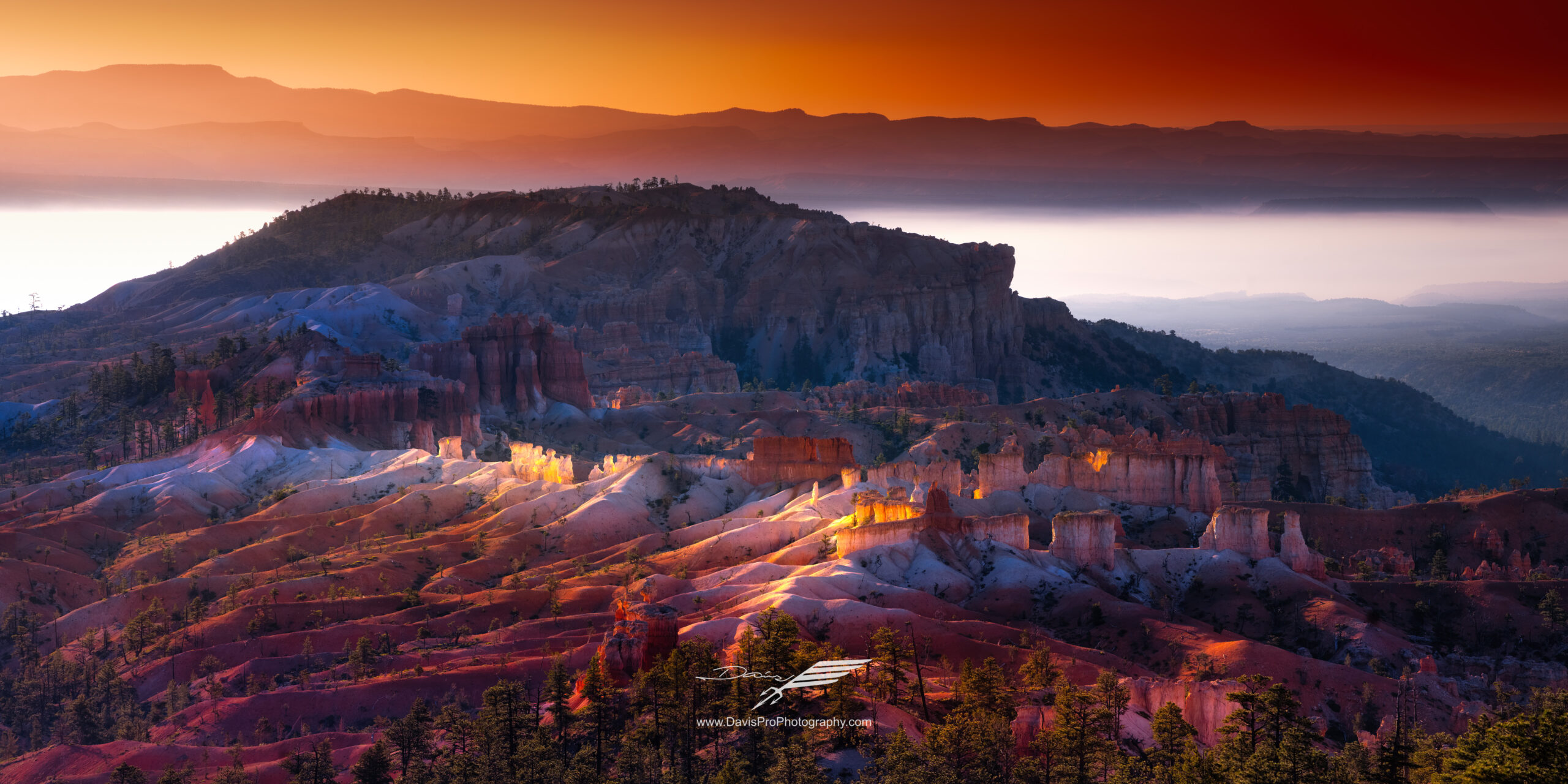
That willingness to keep looking shapes the work of Davis Pro Photography. Working in digital fine-art landscape photography, Davis creates landscapes and seascapes presented on HD metal and premium archival media. Behind each finished piece is a process that begins well before the shutter opens and continues through careful editing and production.
A lifetime behind the camera
His relationship with photography began at eight years old, with his father’s Minolta XG-series 35mm SLR. Looking through the viewfinder, he found himself fascinated by nature, daily life, and nearly anything he could frame.
As a latchkey kid, Davis spent time after school searching the library for photography books. He learned to develop negatives in the darkroom and studied the techniques of photographers such as Ansel Adams. Black-and-white photography appealed to him first for the refined feeling it gave his images. Later, he embraced color and the possibilities it opened for expressing the natural world.
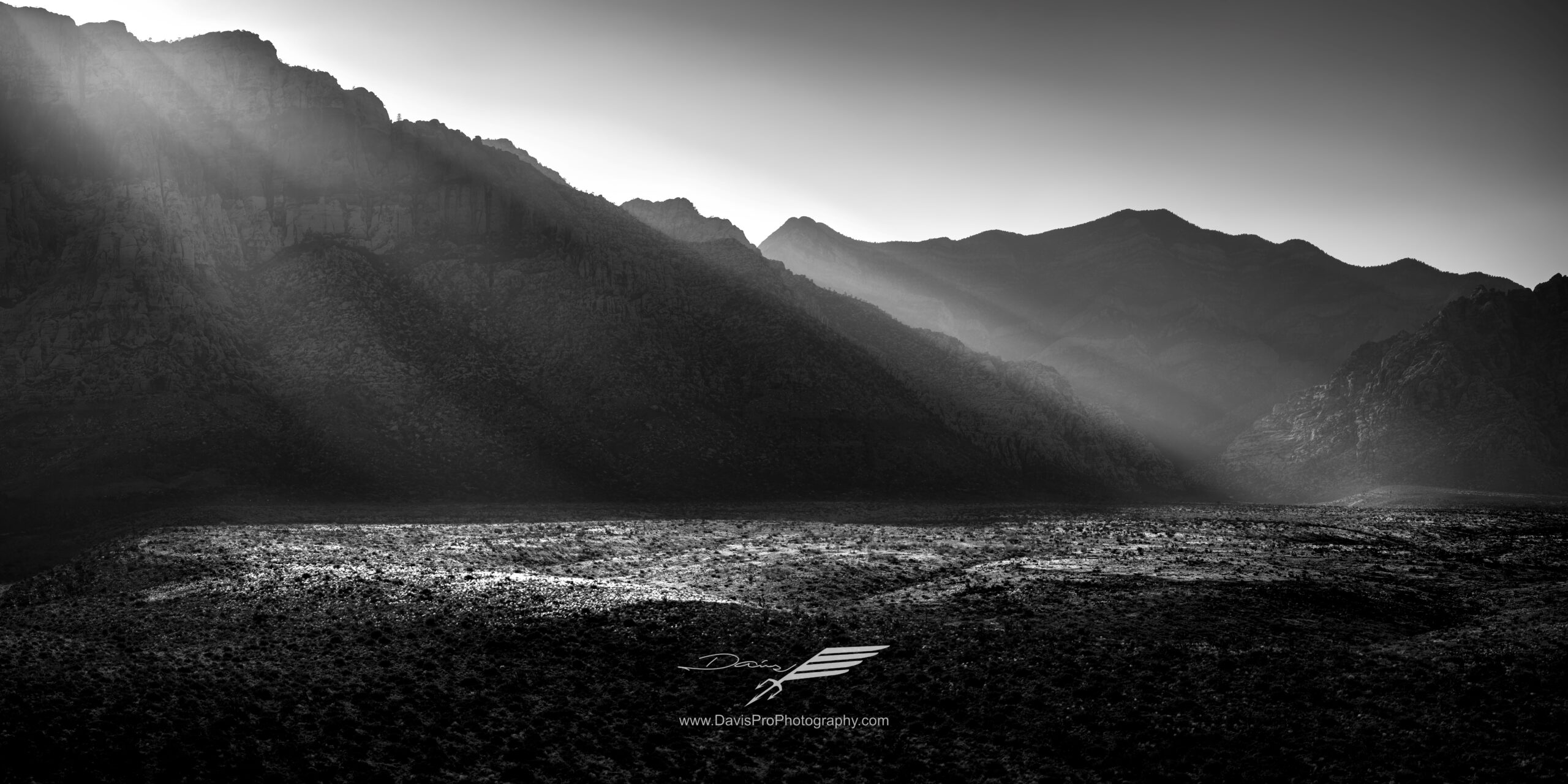
Those early years gave him a technical foundation, but his understanding of what made a photograph meaningful continued to develop. Knowing the equipment was essential. Recognizing a composition that could evoke a mood became the deeper pursuit.
“Understanding light and the way it affects a composition is where the true art in photography begins,” he says.
The lesson in a failed exposure
One of his most memorable lessons arrived with a series of unsuccessful photographs.
After moving from a Nikon N2000 film camera to his first digital SLR, a Nikon D1, Davis decided to attempt the long exposures he had admired in National Geographic and other publications. He wanted to capture water with that smooth, almost surreal appearance. Instead, he struggled with exposure settings, the camera’s limited dynamic range, and light that overwhelmed his images. Some frames were nearly white.
His assessment of those first efforts is emphatic: “FAIL, FAIL, FAIL.”
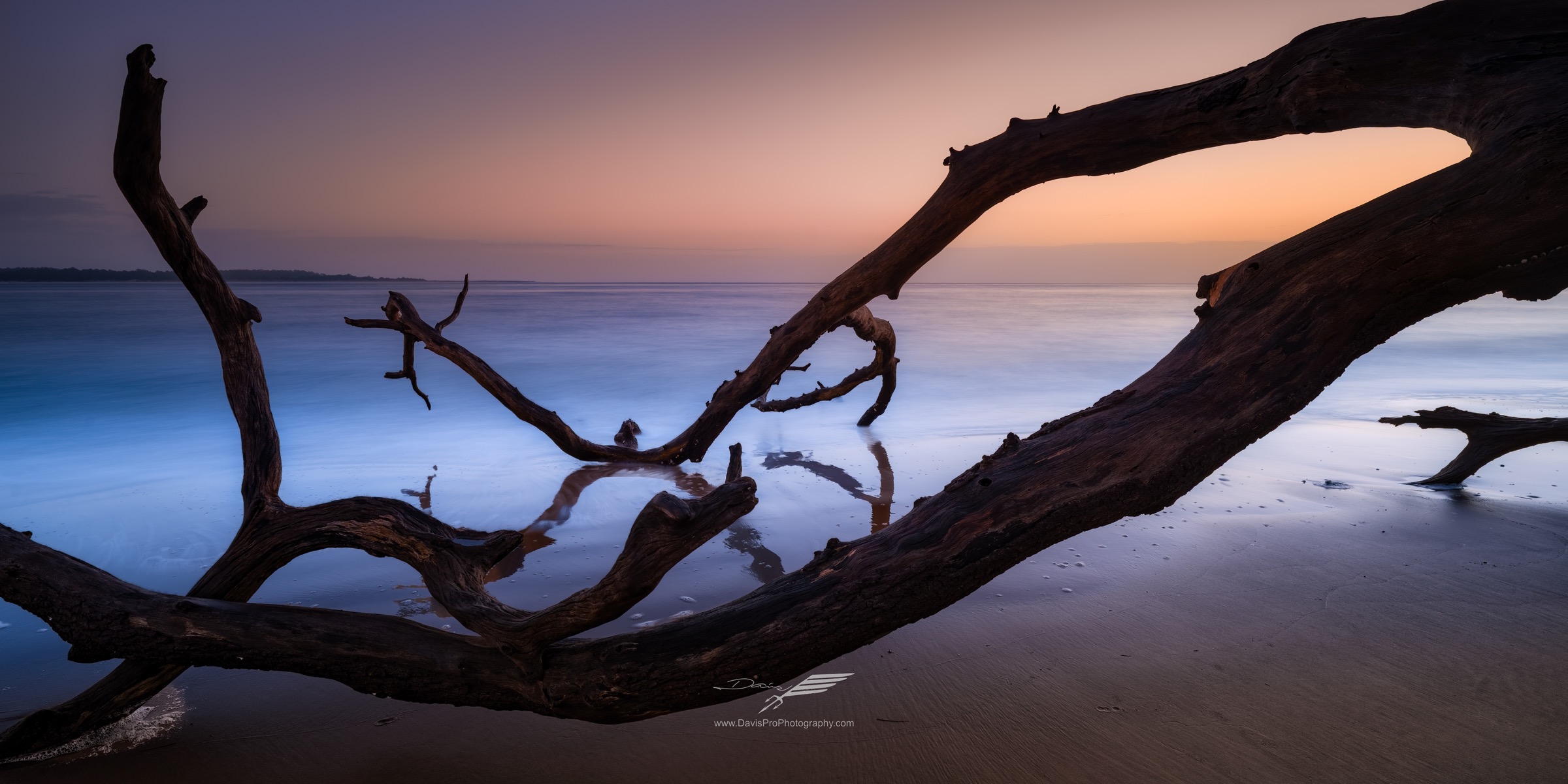
He kept reading, studying, and practicing. The breakthrough came during blue hour, when he finally made a long exposure that approached what he had envisioned. The experience taught him to slow down and watch how the light changed, adjusting his settings throughout a sunrise or sunset.
Blue hour remains his favorite time to photograph.
Returning for the right light
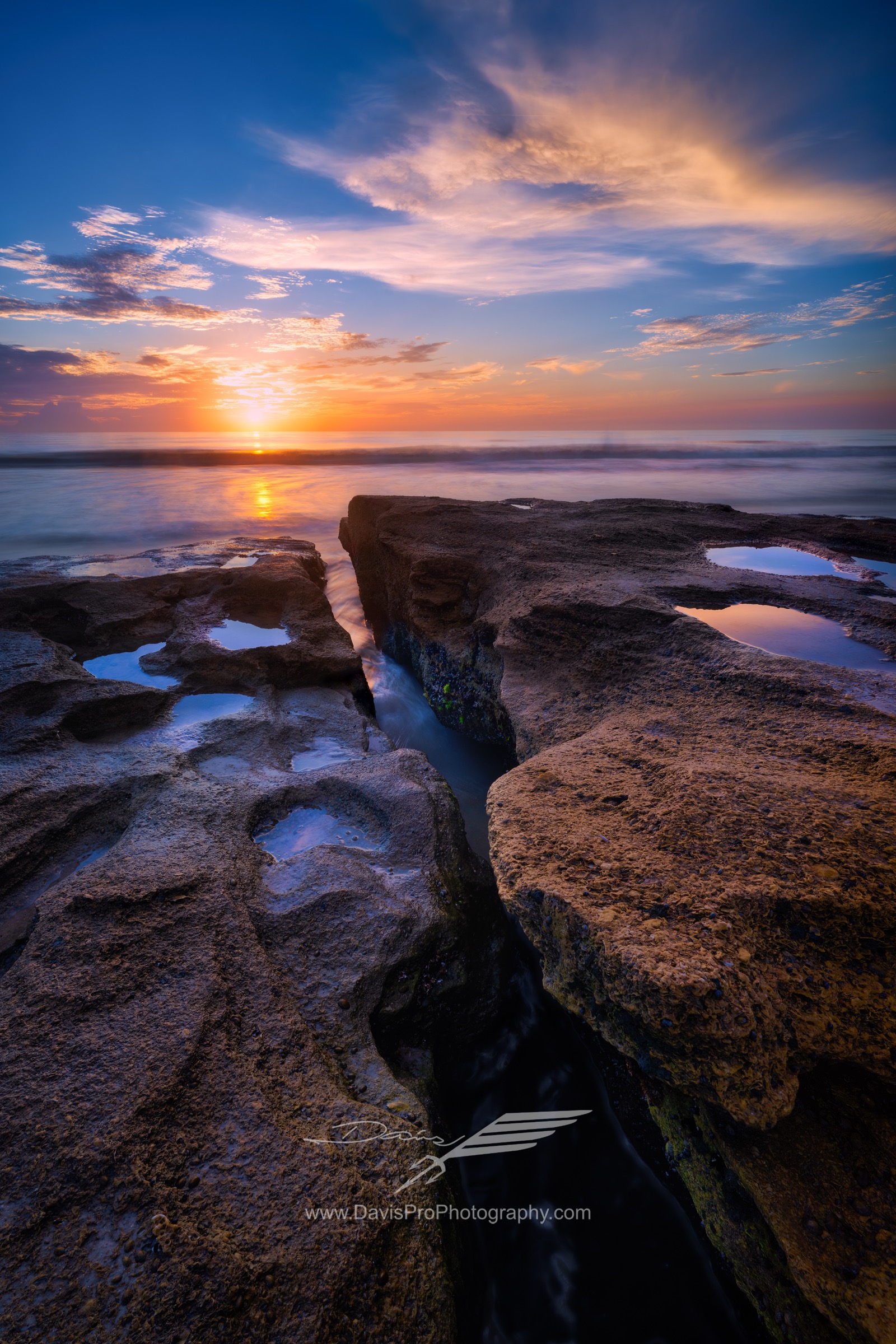
That lesson carries into his approach to landscapes and seascapes today. The major features of a place may be ancient, but the surrounding elements continue to shift. Erosion, human activity, and natural events alter the foreground. Returning to a location means encountering a new set of conditions, each requiring attention.
Davis often develops a composition in his mind before arriving. Finding the right elements can take weeks, months, or years; finding the light adds another uncertainty. He describes the work as demanding patience, endurance, and a refusal to quit.
“Nature rarely gives up beautiful light,” he says. “You have to be constant and repetitive if you want to last in this field.”
Once a shoot is complete, he scrutinizes every frame. His digital workflow includes Adobe Lightroom, Luminar Neo, Helicon Focus, and Sequator, and he continues to study new tools and techniques. He places equal emphasis on making sound decisions in the field, encouraging emerging photographers to learn their equipment thoroughly and capture the strongest composition they can before editing begins.
He also allows room for practicality. Although he works almost exclusively in manual mode, he believes photographers should understand alternative settings and use them when circumstances call for it. As he puts it: “Above all get the shot!”
The connection with collectors
At art shows, Davis welcomes the chance to explain these decisions in person. His booth includes settings and information about the pieces, giving visitors a starting point for conversations about how and why an image was made. He values being present to share the inspiration behind the work, even as a busy outdoor show can make it difficult to meet everyone.
Those conversations also reveal what happens after a photograph leaves his hands. Davis says some collectors find peace in his work; others respond to its energy. For people physically unable to venture outdoors, the photographs can bring a connection to places they cannot experience themselves.
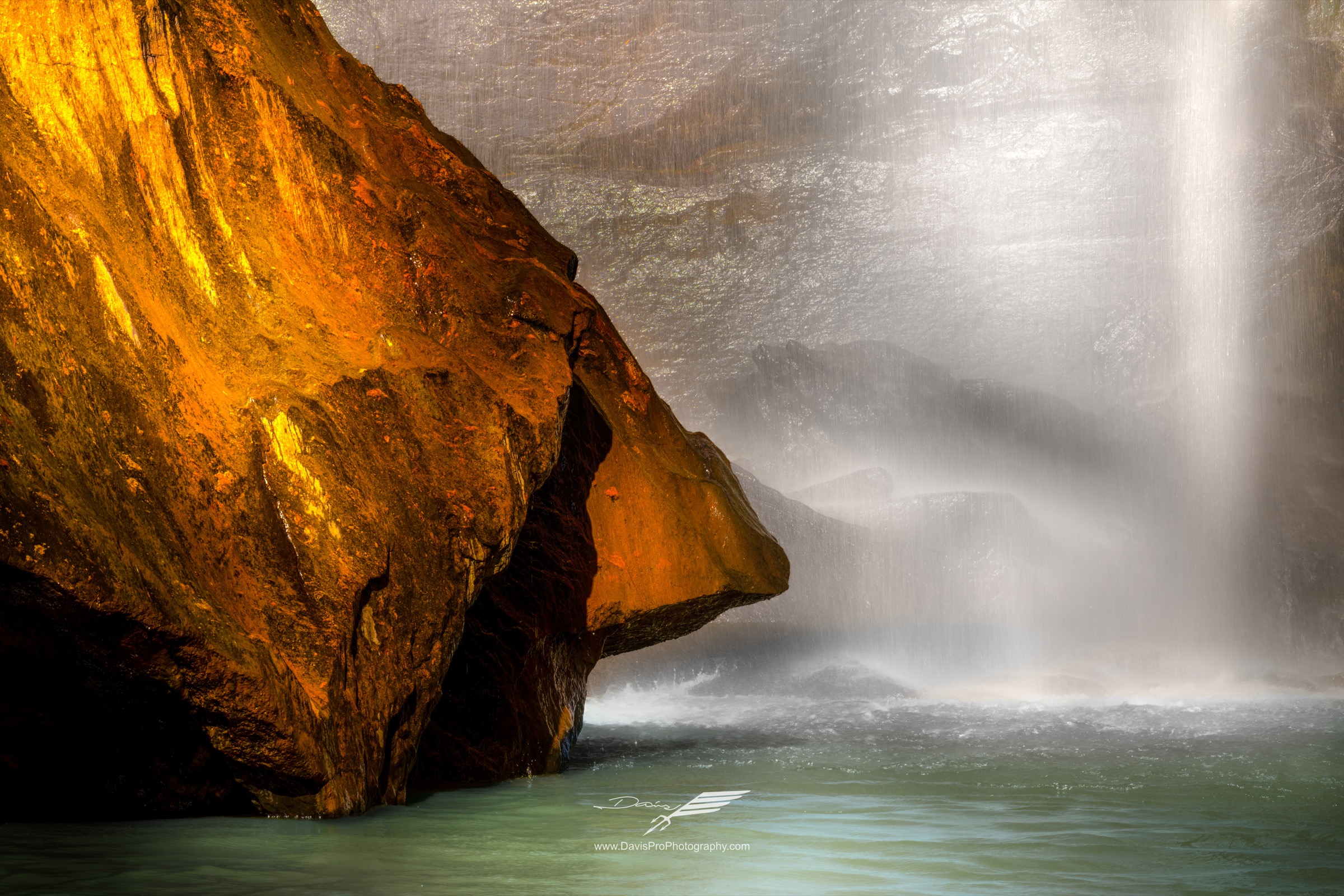
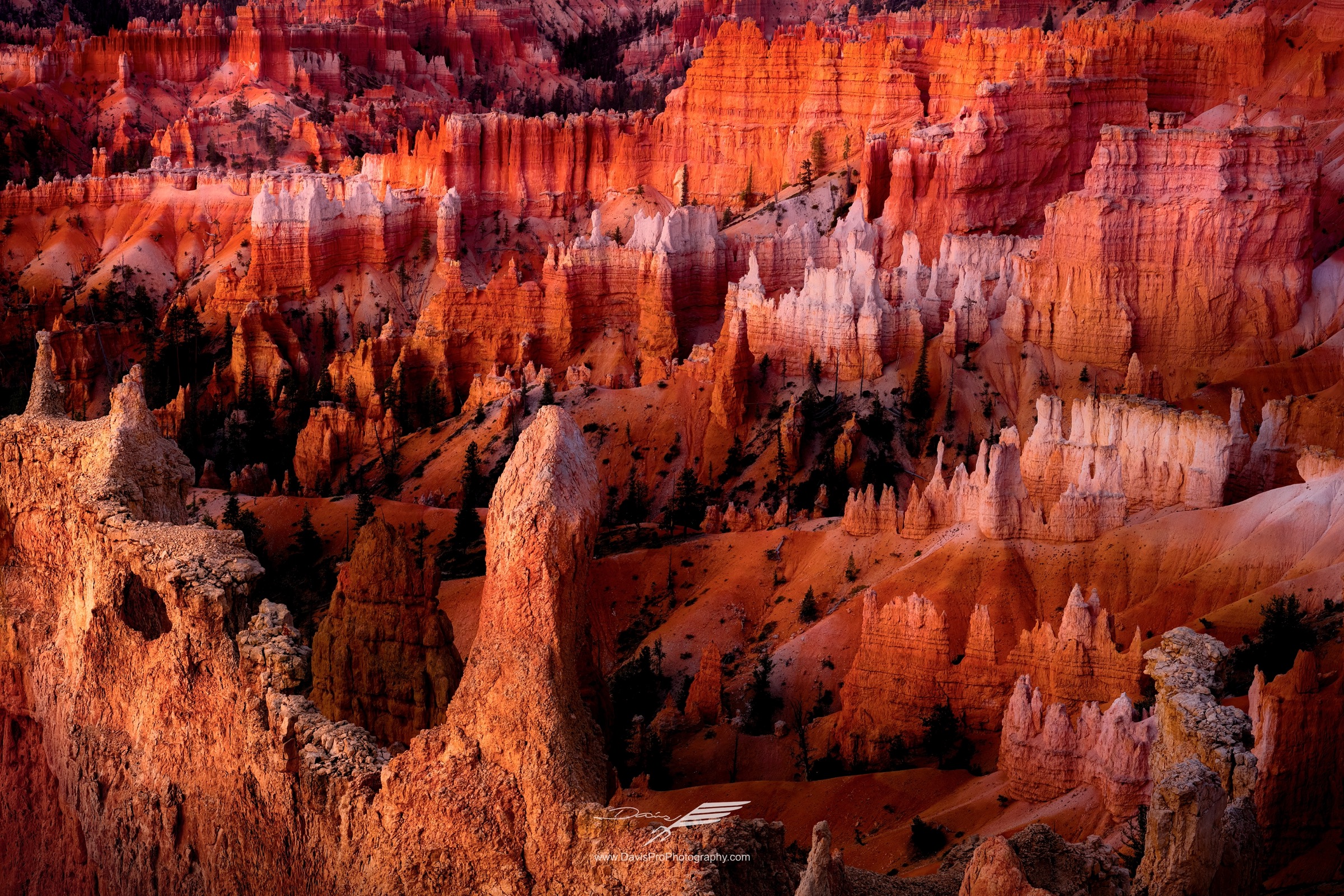
His next project continues his Southwestern collection, featuring landscapes and seascapes from New Mexico, Arizona, and California. The work gives him new places to explore while continuing the practice that has held his attention since childhood: looking closely, learning continually, and remaining ready when the light arrives.
Asked whether he still enjoys photography as much as he did at the beginning, Davis answers without hesitation.
“110%.”
Follow this artist
Receive an email when the profile is linked to a newly confirmed show.