For Visitors
How to Transport New Artwork Home Safely from an Art Show
Protect paintings, prints, ceramics and sculpture on the trip home with practical packing, vehicle and weather precautions.
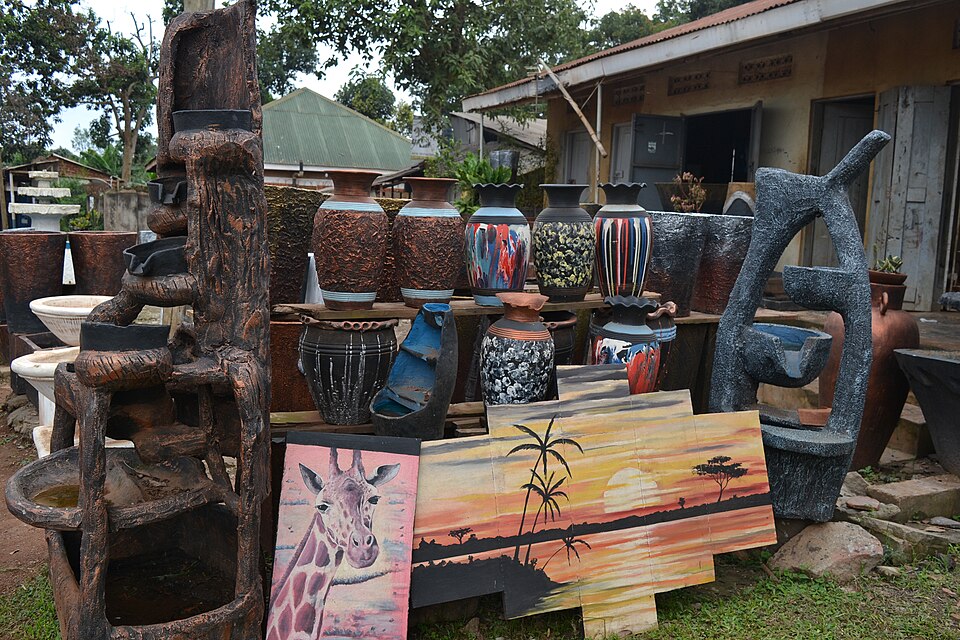
The moment after a purchase deserves as much care as the decision to buy. Art-show artists often prepare work for a short trip, but the safest plan depends on the medium, weather, vehicle and distance. Ask before moving anything, and let the artist finish the packing process they use for their own work.
Understand what the packaging is designed to do
Paper, glass, glazed ceramics, soft sculpture and metal do not face the same risks. A sleeve may protect a print from fingerprints without protecting it from bending. Bubble wrap can cushion some objects but may mark a sensitive painted or polished surface. Corner guards help a frame only if the center and glazing are also supported.
Ask which side should remain upright, where you may hold the package and whether temperature matters. Keep the artist’s care instructions and receipt separate from the artwork so they cannot scratch or transfer ink onto it.
Prepare the vehicle before carrying the work over
Clear the intended space before you leave the booth. Fold seats, remove loose groceries or tools and place clean blankets or rigid supports where needed. Measure the hatch or door opening for large work; cargo dimensions are not the same as the narrowest opening.
Framed two-dimensional work should generally ride vertically or lie fully supported, never balanced on one corner. Do not place a heavy object on top of a frame. Secure sculpture so it cannot slide, tip or strike the vehicle during a normal turn or stop. Seat belts, non-slip mats and padded boxes can help when they do not press on fragile elements.
Protect the work from weather and heat
Move directly from the booth to the vehicle when rain, wind or blowing dust is possible. A plastic outer layer can provide short-term rain protection, but do not leave damp material sealed against the work. Avoid a hot parked car; adhesives, wax, photographs and some finishes can be sensitive to heat.
Plan the route into your home
Before unloading, check stairs, elevators, narrow turns, pets and the surface where the work will rest. Large or awkward pieces may require a second person. If you cannot carry the work safely, ask about delivery or professional shipping rather than improvising.
For purchase questions before the packing begins, see Buying Your First Original Artwork at an Art Show. Visitors planning for mobility, rest or accessible routes may also find our accessible art-show visit guide useful.
When you arrive
- Move the package to a clean, dry, stable area
- Photograph the sealed package if damage is visible
- Unwrap slowly and keep labels or care instructions
- Allow temperature-sensitive work to acclimate when advised
- Contact the artist promptly if something is wrong
Good transport is quiet and uneventful. The aim is not elaborate packing for its own sake; it is giving the work the same thoughtful attention that led you to choose it.